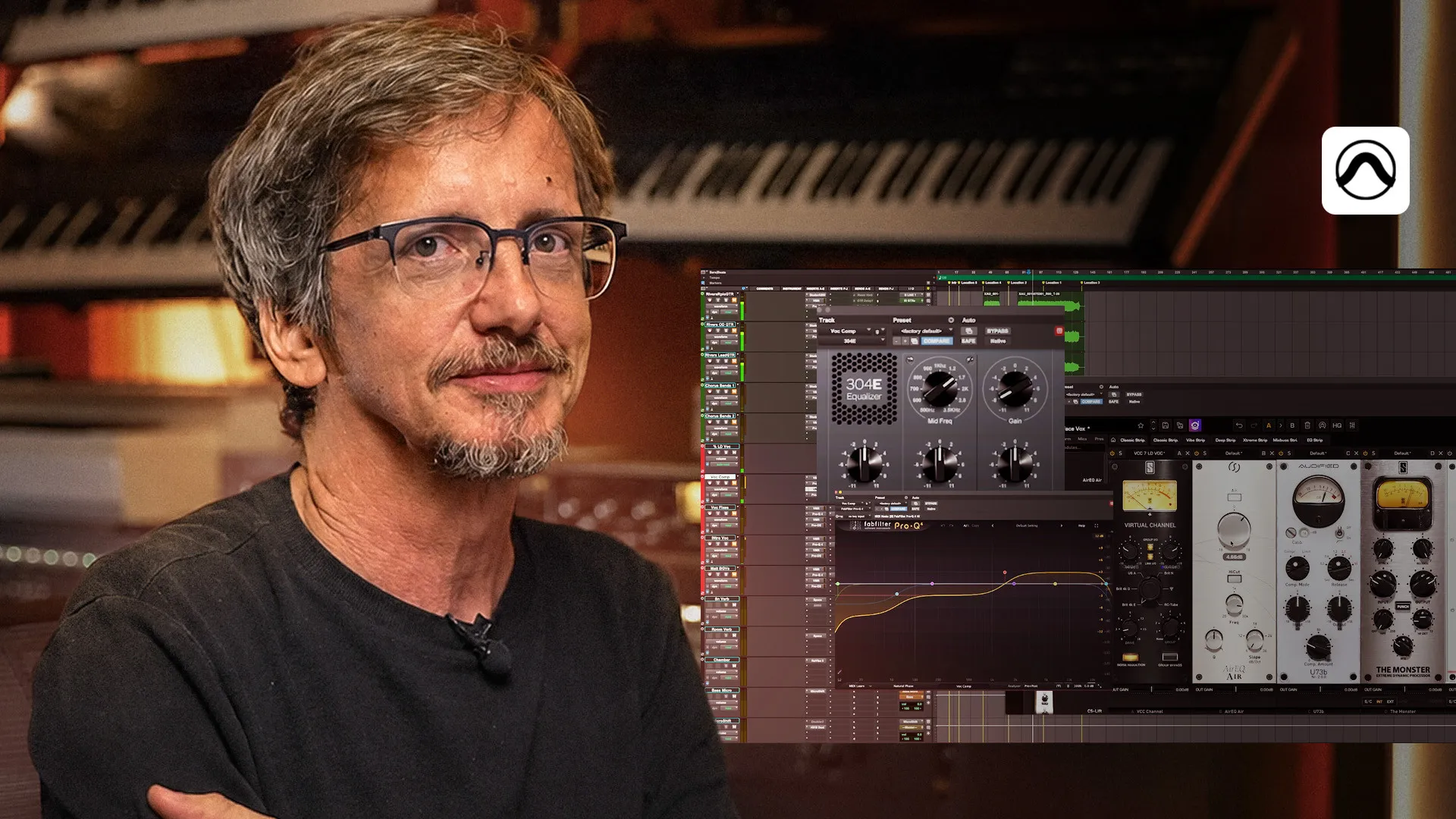


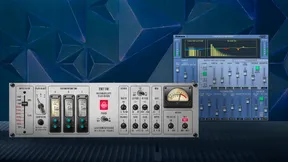
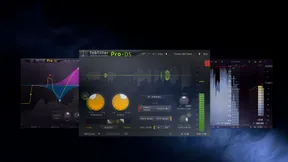

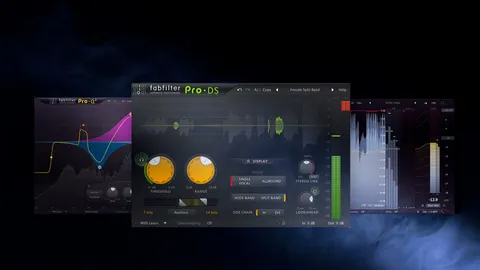
Chris opens the template itself and explains what is on every track and why. It starts with the presets, which he is careful to call starting points and not finished sounds. Studer A800 tape on almost everything, with tape speed changed per track to make a kick thick and gooey at 15 ips or genuinely lo-fi at seven and a half. Slate Virtual Channel matched to the source, British console on drums, USA on guitars, SSL on vocals and keys. FabFilter Pro-Q with a tilt in the mid band, because most of the time you want more bottom and less top or the other way around. On bass, a bypassed Ozone Exciter waiting to add growl the moment the mix gets dense.
Then the vocal chain, which is where things get interesting. Three compressors in series, an all buttons in 1176 emulation among them, every one of them blended at around 40 percent. The gain reduction meters look brutal, the vocal sounds forward and gritty rather than blown out.
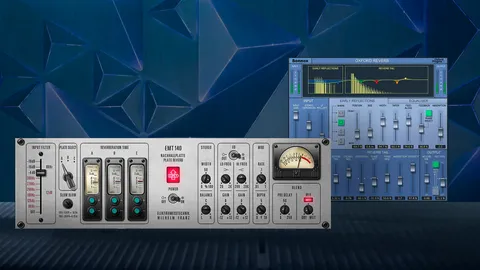
The second half is the architecture. Kick and snare each get their own subs and their own parallel crush bus with a dbx 160, separate from the rest of the kit, so you can chase attack without wrecking the toms and overheads. Everything folds into an all drums bus with a Kush compressor and a Blue Cat Patchwork wrapper for on the fly effects. Then the full effects return rack: Ocean Way rooms, EMT 140 plate, AKG spring, PCM60 emulation, chamber, MicroShift, H910 pairs, SDD-3000 guitar delay widened into a mod delay, and Replika XT in diffusion mode for the gauzy curtain behind the mix and for rescuing songs with no fade left on them.
He finishes on the master bus: a VSC2 with sidechain filter, Abbey Road Mastering used almost entirely for the widener, Ozone, and MCompare fed by a reference mix track and by iTunes over Dante, so he can A/B against anyone's record without opening a plugin.