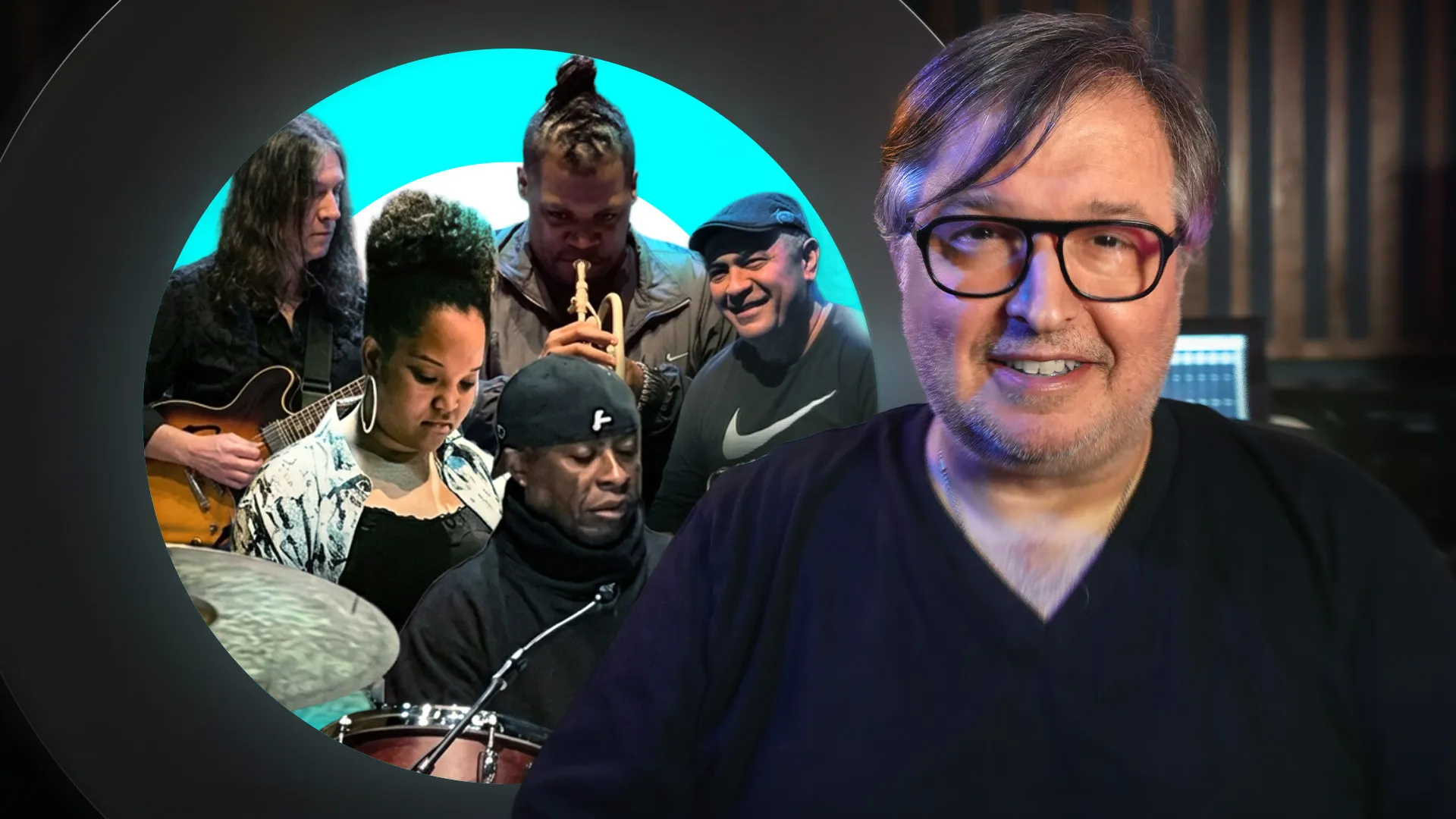



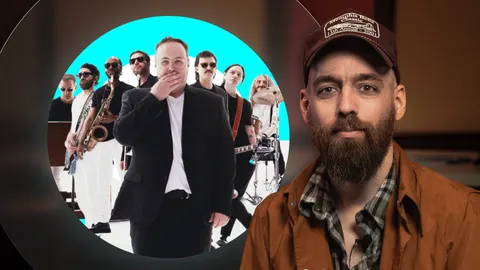
With the drums locked in, Rich Keller moves through the full band (bass, guitar, trumpet, saxophone, keys, percussion, DJ) with one guiding principle at every step: 'serve the music, don't decorate it.'
Part 2 is where the full picture comes together. Rich builds the bass from a DI/mic blend into something genuinely powerful, tames a high-frequency edge in the trumpet without touching its presence, and blends two saxophone mics placed in completely different positions into a sound that works. He digs into the keyboard overdubs, explains when clip gain beats fader rides, and shows a master bus chain built to give live recordings the weight and glue of a proper record.
At the end: a before/after comparison of the original broadcast TV mix versus Rich's record-ready version. One listen, and you'll understand exactly why Vince Wilburn Jr. made the call.
In this episode, watch how Rich Keller:
- Builds the bass with an LA-2A into the UAD SVT Pro amp simulation, a game-changing combination
- Shapes the guitar with the CLA plugin and a careful high-pass on the sub bus
- Uses the Greg Wells AcousticMe to warm and focus the trumpet without losing presence
- Applies a multiband compressor to surgically tame a harsh high-frequency edge in the trumpet
- Blends two saxophone mics from radically different positions into one cohesive sound
- Manages percussion bleed using mutes, the video as a guide, and no gates
- Explains when and why clip gain is more musical than fader automation
- Walks through the full master bus chain: SSL bus comp, Gold Clip, Serban-endorsed saturation, and the God Particle as final glue
- Reveals the before/after: broadcast TV mix vs. record-ready mix