

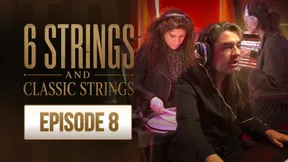



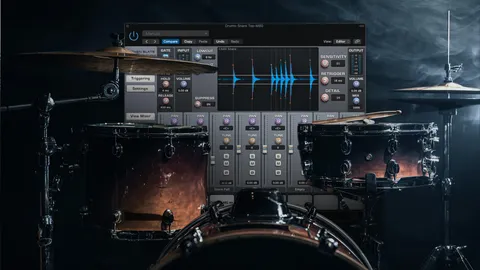
A few weeks later, back at Flux, with percussionist Jessica joining Yvette to add drums to the end of the piece. The premise is set in the first minute. Rather than scouring Manhattan for rental orchestral percussion, described as "unobtainium," they are going to torture the gear already in the building into doing what the arrangement needs.
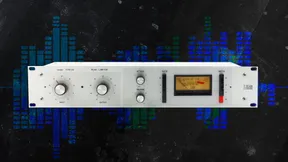
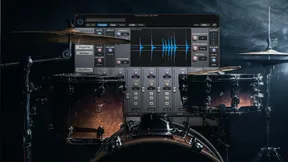
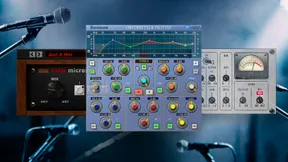
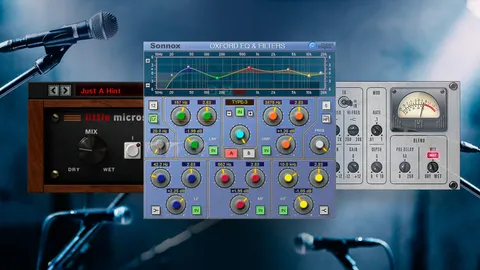
Which means a late 70s Yamaha 22-inch rock kit bass drum standing in for a 36-inch orchestral one. It gets two resonant heads instead of the usual resonant plus ported batter, and since there is no full 22-inch resonant head in the building, it ends up with two batter heads. "Extra flavour." A Royer 121 into an API 512C, picked partly because it is a classic and partly because it has an XLR on the front and Fab could not be bothered finding another cable, set back far enough that the fundamental has room to develop.
Then the search, which is the whole episode. Close versus far, and the difference is enormous. Bottom end added and taken away. Striking the other head. Laying the drum on its side. Finally hitting one side while micing the other, which is the one that blends instead of poking out. Along the way it starts sounding like a timpani, so that becomes its own overdub layer rather than a problem to fix. "There's no charter that says we have to do whatever."
Once the sound is settled, the performance thinking takes over. Fab starts Jessica from the top so she can shape the arc herself: "don't forget to leave yourself room to grow. I can help with faders later, but it's better if it comes from you as the interpreter." Then the arrangement call that improves the piece. Do not enter with the bass drum and then drop out. Leave the first round bare and come in on the second, so the part develops instead of announcing itself.