

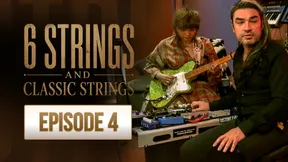









You have questions.
After the Yvette Young orchestra sessions went up, the comments and the inbox filled with them: what microphones were those, how did twenty string players hear anything, and what exactly is that microphone tree hanging over the conductor?
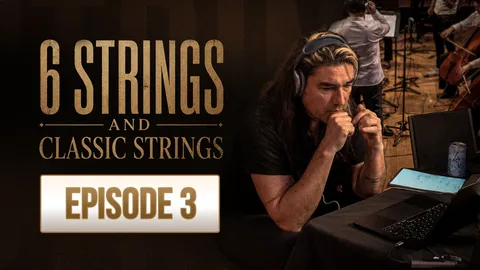
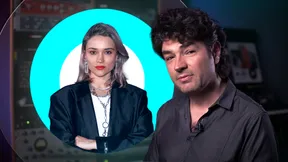
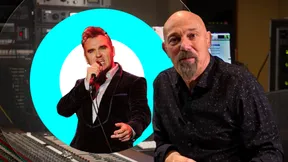
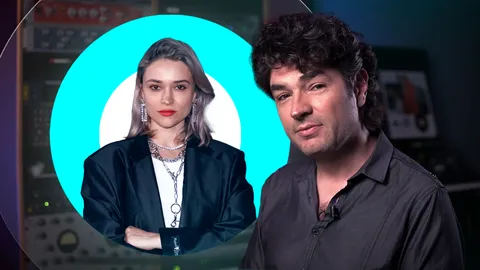
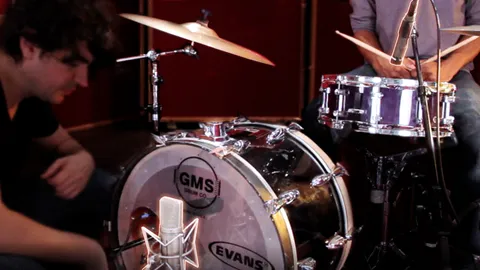
In this new installment to the Puremix exclusive "6 Strings and Classic Strings" series, featuring Yvette Young, Fab Dupont goes back through the footage and answers all of your questions, slowing the session down to talk through every microphone choice, every placement decision, and every piece of gear that made it out of the microphone closet and onto the stage at Roulette.
See how Fab Dupont:
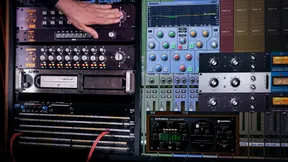
* Explains the headphone cue system and setup
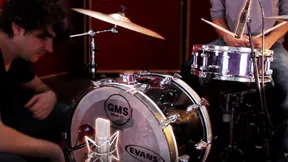
* Breaks down which microphones he chose and why for the basses, cellos, violins and violas
* Explains the difference between large and small diaphragm condensers when everything bleeds into everything
* Explains his micing techniques for upright bass, violin, viola, and cello in a live orchestra performance
* Discusses keeping eighteen musicians comfortable, seen, and full of energy, and why he asks each player to play something before tracking
* Explains the "Flux Tree," a Decca tree principle, including spacing, height, and width
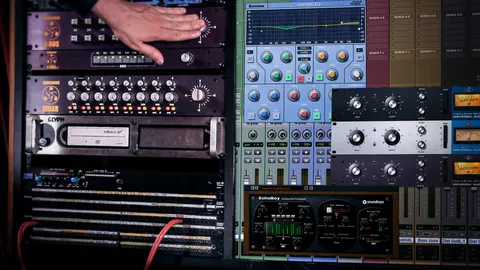
* Covers the monitoring setup that helped him make decisions in a loud theater with an 18 piece orchestra and no isolation
* Tells the story of what happened after the session, from overdubs at Flux to the mix decisions and textures
Hear the honest, unedited version of how a guerrilla orchestra session actually gets built, mistakes, cat herding, and all.