

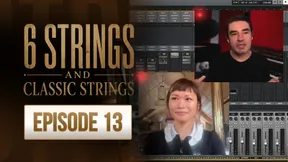


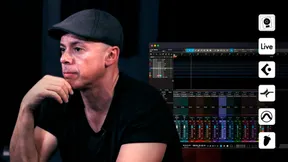








Back at Flux after a night off, and now they edit. Third movement first, "where all the cool kids hang out."
The strategy comes first, and it decides everything downstream. The strings are the control. Not because they are more important, but because there are eighteen of them and they cannot be moved without dragging the ambience of eighteen open mics along with them. So the strings become the common denominator, and the guitar and drums move to meet them. "Since there's 18 of them, they have the clout." Then the work: closing a pause that runs long, killing a glitch, cheating a guitar entrance that lands visibly late in the waveform, and repitching a major third that was never meant to be a major third.
Then the conversation. Yvette asks for something, notices she felt fear asking for it, and says why: she has been told at other studios that details like automating a saturation curve do not matter. What follows is the most valuable twenty minutes in the series and has nothing to do with a DAW. Fab separates ego from taste, which are constantly confused. Resisting an idea because of whose idea it is, is a catastrophe. Resisting it because you are passionate about a semi-diminished line rubbing against a major chord is worth respecting. He explains why he will try an idea he already believes is in bad taste, because "censoring is the beginning of the end." He passes on the line his manager gave him, that the strength of your position in any negotiation equals your willingness to walk away. And he lands on the rule he actually works by: if the artist is not happy at the end, that is his failure, not theirs.
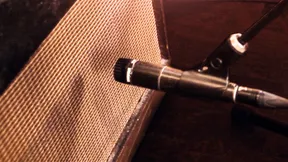
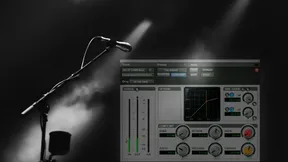
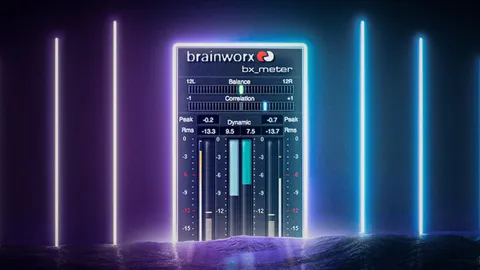
Then straight back to being useful. Building a stereo image out of one mono guitar using a dual delay, one line at zero panned hard left, one delayed slightly and panned right, so your brain hears width that was never recorded. Distortion, a high pass, and a bent note that overshot by a semitone getting talked back into place. "Nobody will ever know."