



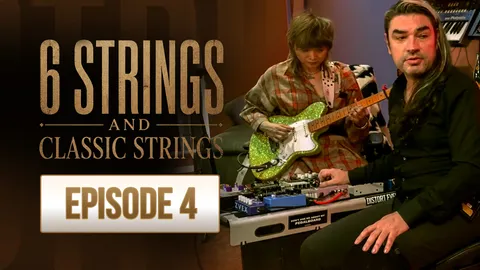




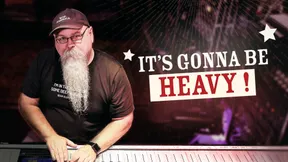
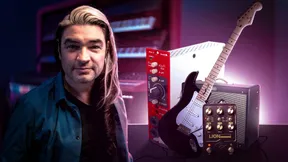
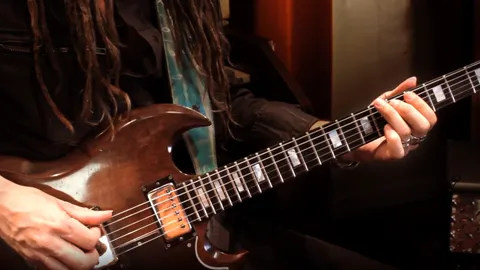


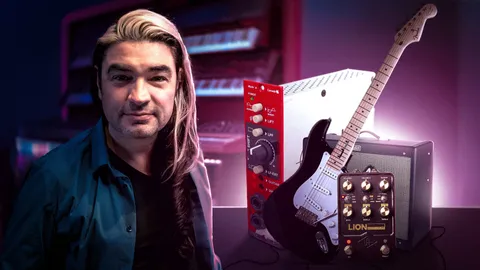
The series opens with the brief that started it. Universal Audio asked Fab to build a studio from scratch in a performance space using Apollos, then record a string orchestra and Yvette Young's electric guitar at the same time. Everything is documented, from the gear coming out of the car to the edit. The mix is the one exception. It got so far out of hand it became a livestream rather than a shoot.
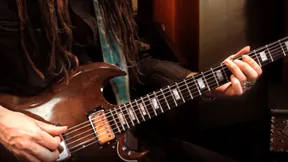
Then the room. Fab throws out the obvious plan and puts the orchestra on the floor rather than the stage: better reverb, space between the players, and angles the cameras can actually use. From there the day gets built. The seating comes from the concert the night before. Schoeps MK4s go across the sections, Clarions one per stand, and an M49 on each bass the way Al Schmitt did it, with spares standing by, because he heard the violins bury the cellos and expects to need more precision down low. The Flux tree goes up: three omnis in a triangle, laid out with a tape measure, loosely stolen from the Decca tree and named after the studio that could actually afford it. Eighteen inputs get mapped across three Apollos and a 4-710, numbered so the routing stays memorable at speed. Yvette's guitar is split, a clean DI before the pedalboard and the wet output after, specifically so tomorrow's overdubs can punch in or re-amp anything.
Conductor Peter Askim explains where the piece came from. He had been a fan for years, noticed Yvette had never written for strings, and asked what she would do with those colours. And then the decision that shapes the entire record. Fab tells him to drop the click, because the rubato cannot survive it and stopping to count off is "the opposite of music." Plus the cue system that lets eighteen players hear a guitar that never enters the room, twenty identical headphones so everyone hears the same thing, the line check, and a ground lift that fixes a buzzing DI.